Odometer fraud: how to spot a clocked car before you sign
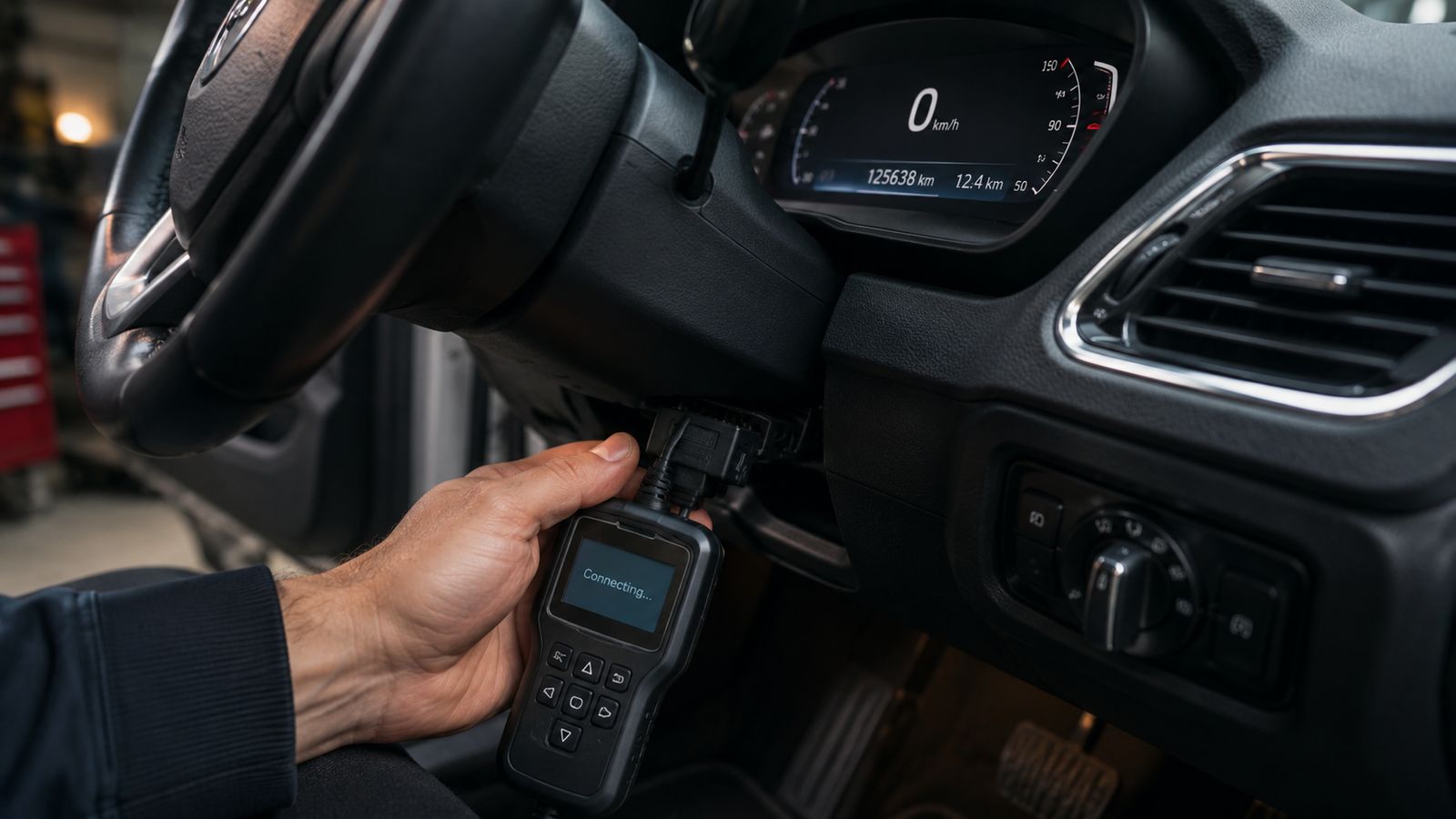
Odometer fraud, rolling back a car's mileage to inflate its price, affects an estimated 5-12% of domestic used-car sales and 30-50% of cross-border sales in the European Union, according to a 2018 European Parliament study. You can't always spot it by eye, but mismatches between service records and the dashboard reading, plus tell-tale wear on pedals, seats, and the steering wheel, are the strongest clues before you sign anything.
Odometer fraud (winding back a car's mileage, usually with cheap electronic tools) is one of the oldest tricks in the used-car trade because it directly inflates what a buyer is willing to pay. In the European Union, research cited in a 2018 European Parliament report estimates that 5-12% of domestically sold used cars and 30-50% of cars sold across borders have a manipulated odometer, a scale of fraud the report describes as causing substantial economic damage to buyers across the Union every year. No single visual check catches every case, but comparing documented mileage against physical wear, and treating cross-border cars with extra caution, will catch most of it before you sign.
Why this matters more than it looks
A rolled-back odometer doesn't just mean you overpay. It hides the maintenance schedule the car actually needs. Timing belts, suspension components, and other wear parts are serviced on a mileage schedule. If the real mileage is 40,000 km higher than the dashboard shows, you may be buying a car that's overdue for expensive work the seller never had to do, because on paper it wasn't due yet.
1. What odometer fraud actually is, and why it's profitable
Modern odometers are digital, stored in the vehicle's electronic control unit rather than a mechanical wheel of numbers. That makes them easier to alter with a diagnostic tool plugged into the car's data port, with no dashboard disassembly required. Because the fix is cheap and fast, and because a lower mileage figure can add meaningfully to the asking price, it remains attractive to sellers looking to move a car quickly at a better price than its true condition supports.
2. Documentation mismatches: the biggest tell
The most reliable non-technical check is comparing every mileage figure you can find against the dashboard reading:
- Service book and workshop invoices: each stamped visit usually records the mileage at the time.
- Past roadworthiness/periodic technical inspection certificates from your country's vehicle authority: these typically log mileage at each test.
- Insurance documents or any prior sale listing you can find online (screenshots, cached pages, marketplace history).
If the mileage at a service two years ago is higher than what's on the dashboard today, that's the single clearest sign of tampering, not a data-entry error. Even a gap that looks "roughly right" is worth flagging if two independent documents disagree with each other.
3. Physical wear indicators that don't lie (as easily)
Wear and tear accumulates with actual use, not with what the dashboard says, which makes the cabin a useful cross-check. None of these are proof on their own: they're a widely used rule of thumb among mechanics and inspectors, not a scientific measurement. But a mismatch between wear and claimed mileage is a strong reason to dig further.
| Cabin wear point | What heavy wear here typically suggests | Caveat |
|---|---|---|
| Pedal rubbers | Smooth, glassy wear generally takes well over 100,000 km to develop | Pedal rubbers can be replaced cheaply; a suspiciously new set on an otherwise worn car is itself a flag |
| Steering wheel | Shiny or cracked leather/vinyl at the 9-and-3 grip points signals sustained heavy use | Aftermarket wheel covers or a replaced wheel can mask this |
| Driver's seat bolster | Visible creasing and flattening usually shows up well before very high mileages | Seat covers hide bolster wear entirely; ask to see under any cover |
| Gear knob / shift boot | A polished, worn gear knob points to years of regular use | Manual-heavy company cars wear faster than the mileage alone suggests |
The pattern that matters most: if every wear point looks brand new but the service book shows the car is nine years old, ask why. Conversely, a low-mileage claim paired with heavily worn pedals and seat bolsters is one of the clearest mismatches you'll find.
4. Why cross-border cars carry extra risk
The European Parliament's 2018 estimate of 30-50% manipulation in cross-border used-car sales, versus 5-12% domestically, isn't a coincidence. A car sold across a border is harder for a buyer to trace back through its full service and inspection history: records may be in a different language, held by a different national authority, or simply harder to request. That gap is exactly what odometer fraud exploits: the harder it is for a buyer to cross-check documentation, the more room there is for a manipulated figure to go unnoticed. If you're buying a car that was previously registered in another country, budget extra time to track down its inspection history before you decide.
In practice, this means treating an imported car's paperwork with more scrutiny, not less, even when the car itself looks well cared for. Ask specifically where the car was registered before, whether its full service history transferred with it, and whether any of that history can be independently verified rather than taken on the seller's word. A seller with nothing to hide will generally be willing to help you track that down; reluctance to do so is itself a signal worth weighing alongside the wear checks above.
5. What a vehicle history check can and can't prove here
A vehicle history check pulls together mileage readings that were recorded at past inspections, registrations, or service visits into one place, which makes spotting a downward jump in mileage far easier than digging through paper records yourself. What it can't do is guarantee a clean result: if the fraud happened before any of those readings were logged, or in a country whose records the check doesn't cover, there's nothing to flag. Treat a mileage-history check as a fast way to surface a red flag, not as proof the car is clean when it comes back quiet.
That's the gap a Plateop report is built to help close. It doesn't pull mileage records from a register itself: it works through the listing, the asking price and verified model knowledge, turning that into specific checks and seller questions aimed at exactly this kind of mismatch, and it's upfront about what it can't confirm for your car. Where a market does provide official mileage or history data, the report uses it and shows you the source. Check any car before you buy at plateop.com.
Sources
- European Parliament — Report with recommendations to the Commission on odometer manipulation in motor vehicles (A8-0155/2018)
- European Parliament Research Service — Odometer manipulation in motor vehicles in the EU (study, 2018)
- What Car? — Car clocking: what is it and how to avoid buying a clocked car
- MOTCO — How to Spot Clocked Mileage When Buying a Used Car