Salvage, rebuilt, flood: US title brands explained
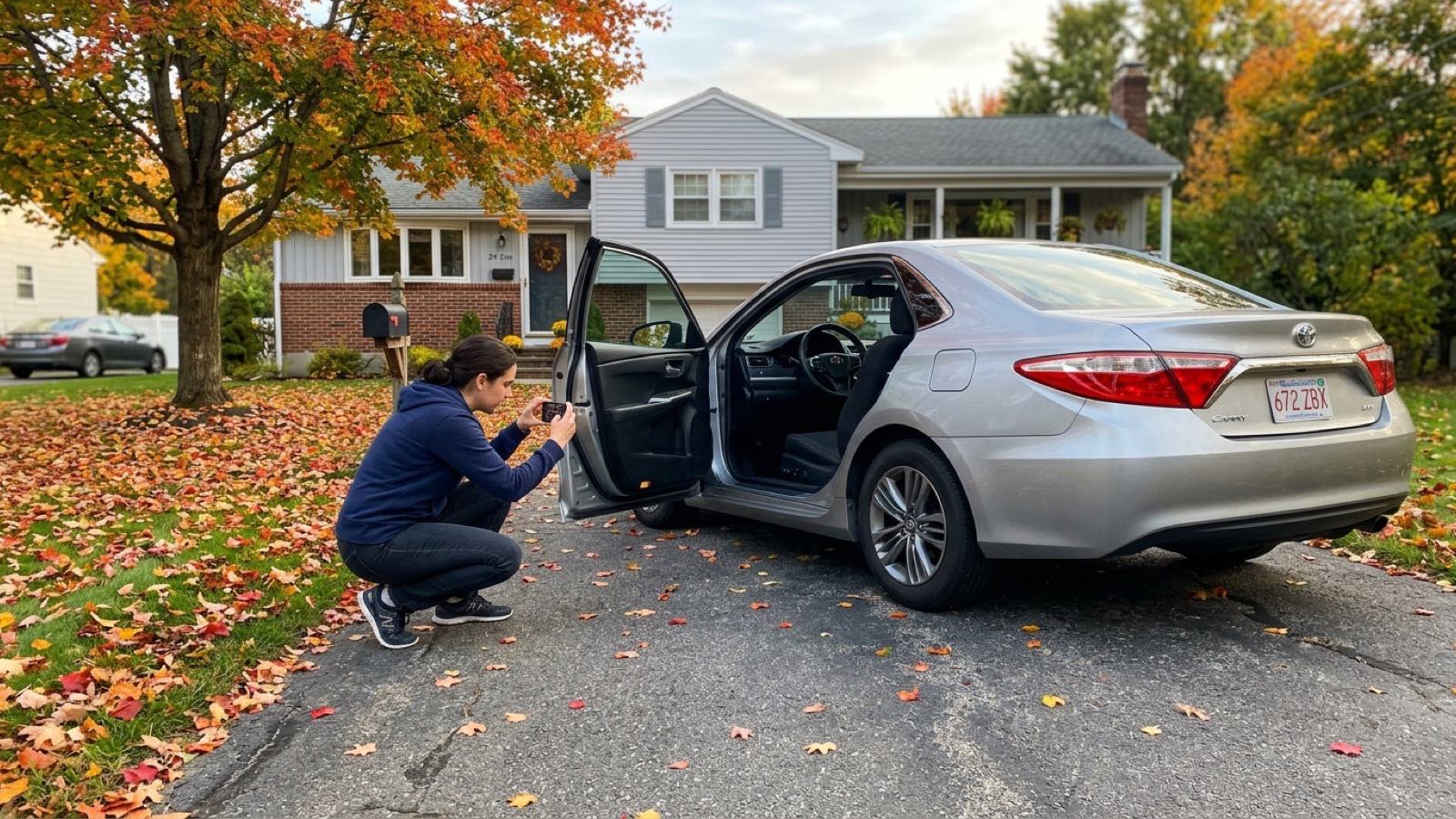
In the US, a title brand is a label a state motor vehicle agency stamps on a car's title to flag serious past damage, a flood, or an insurance total-loss settlement. Common brands include salvage, rebuilt or revived salvage, and flood or water damage. Federal law defines salvage and junk automobiles for the national title database, NMVTIS, but the exact wording a state prints on the title, and the threshold that triggers a brand, both vary by state.
In the US, a title brand is a label a state motor vehicle agency stamps on a car's title to flag serious past damage, a flood, or an insurance total-loss settlement. Common brands include salvage (declared a total loss and not yet repaired), rebuilt or revived salvage (a salvage car that was repaired and passed a state re-inspection), and flood or water damage. Federal law defines salvage and junk automobiles for the national title database, NMVTIS, but the exact wording a state prints on the title, and the threshold that triggers a brand, both vary by state.
Applies to: the United States, state vehicle titles and the federal NMVTIS database. Source: US Department of Justice / NMVTIS (vehiclehistory.bja.ojp.gov), California DMV (dmv.ca.gov). Checked: August 2026. Main exception: NMVTIS does not standardize the brand names states use. One state's "rebuilt" is another state's "revived salvage" or "prior salvage," and a brand can effectively disappear if the car moves to a state that never checks the state where the brand was first applied.
What "salvage" actually means
Federal rules under the Anti-Car Theft Act define a salvage automobile as one damaged by collision, fire, flood, accident or a similar event to the point that the cost of repairing it, plus its salvage value, would exceed its fair market value right before the damage happened. That definition also covers any car an insurer declares a total loss under its own policy terms, whether or not the insurer takes ownership of it. States layer their own dollar or percentage thresholds on top of that federal frame, so identical damage can clear the bar for a salvage brand in one state and fall just under it in a neighboring state with a stricter rule.
What "junk" means, and how it differs from "salvage"
A junk automobile, under the same federal definitions, is one that cannot legally operate on public roads at all and has no value beyond parts or scrap. Salvage still implies the car could plausibly be repaired and driven again; junk does not carry that assumption. A car titled "junk" is not headed back to the road under that title. If it somehow does return, most states require a fresh inspection and a new brand that keeps the history visible.
What "flood" or "water damage" means
There is no separate federal legal category for a flood brand. Flood damage simply falls within the salvage definition above, and each state decides whether to call it out with its own flood-specific label or fold it into a general salvage brand. Flood gets singled out in practice because of a specific, well-documented failure mode: after Hurricane Katrina, according to the Department of Justice, truckloads of flood-damaged vehicles were driven out of Louisiana, dried out, cleaned up, and resold in other states without disclosure to the buyer. Saltwater flooding corrodes electrical systems, including airbag sensors, in ways that are not always visible on a walk-around. NMVTIS exists in part to stop that kind of interstate title washing, where a brand applied in one state quietly disappears once the car is retitled somewhere that never checks back.
What "rebuilt" (or "revived salvage," or "reconstructed") means
Once a salvage car is repaired and passes whatever inspection its state requires, most states issue a new title carrying a permanent brand marking the car as previously salvage. States use different words for this: California's own list of brand terms in use across the country includes "rebuilt," "reconstructed," "revived salvage," "remanufactured," "warranty returned" (a lemon-law buyback), "prior taxi," "prior police" and "gray market," among others. None of these labels is standardized nationally. NMVTIS simply collects whichever brand a state applies, without changing the state's own wording. A car can be legally titled and driven as "rebuilt" while still carrying a documented history of serious damage, which is exactly what the brand exists to preserve.
Total loss does not automatically mean destroyed
One DOJ clarification is worth keeping in mind before writing off a branded car entirely. An insurer's total-loss determination does not always mean the car was wrecked beyond repair. A car reported stolen and not recovered within 30 days can be settled as a total loss; if it later turns up in good condition, the total-loss brand stays on the title regardless. The brand records that a financial event happened, not necessarily the physical state of the car today.
Where to check a specific car's brand
The California DMV lists concrete signs of an undisclosed salvage history worth checking in person: repair marks on the inner fender structure, mud or rust under the trunk carpet, a VIN plate not attached with the original rivets, a safety-restraint warning light that stays lit, resealed airbag covers, and missing manufacturer compliance labels inside the doors or hood. For a documented answer instead of a visual guess, two official routes exist. NICB's VINCheck is free and checks theft and salvage records from participating insurers only, for personal use, up to five searches every 24 hours. A full NMVTIS report, covering title brand history and reported odometer readings, comes only through a DOJ-approved paid provider; Carfax, DMVDesk and Experian are not on that list, since they supply data to dealerships rather than individual buyers.
What this means for you as a buyer
A brand on a title is not automatically a dealbreaker. A well-repaired rebuilt car can be a legitimate, cheaper way into a model you want. What matters is verifying which brand applies, which state issued it, and what repair or inspection record backs it up, rather than taking a seller's word that the car is clean. Our guide on what a vehicle history check reveals, and what it can't, covers how far a paid report actually reaches once you order one. A Plateop VIN report for the US decodes the car's factory specifications through NHTSA and lists the known NHTSA recall campaigns for that make, model and model year, but it does not check title brand, salvage status or odometer history itself; that data sits specifically behind the NMVTIS providers described above, and the report links to the same free NICB search and the same paid provider list rather than guessing at a status it has no data to support. Confirming that a specific open recall is still unrepaired on this exact VIN is still worth doing directly on NHTSA's own site. Check any car before you buy at plateop.com.