What free VIN checks actually show in the US
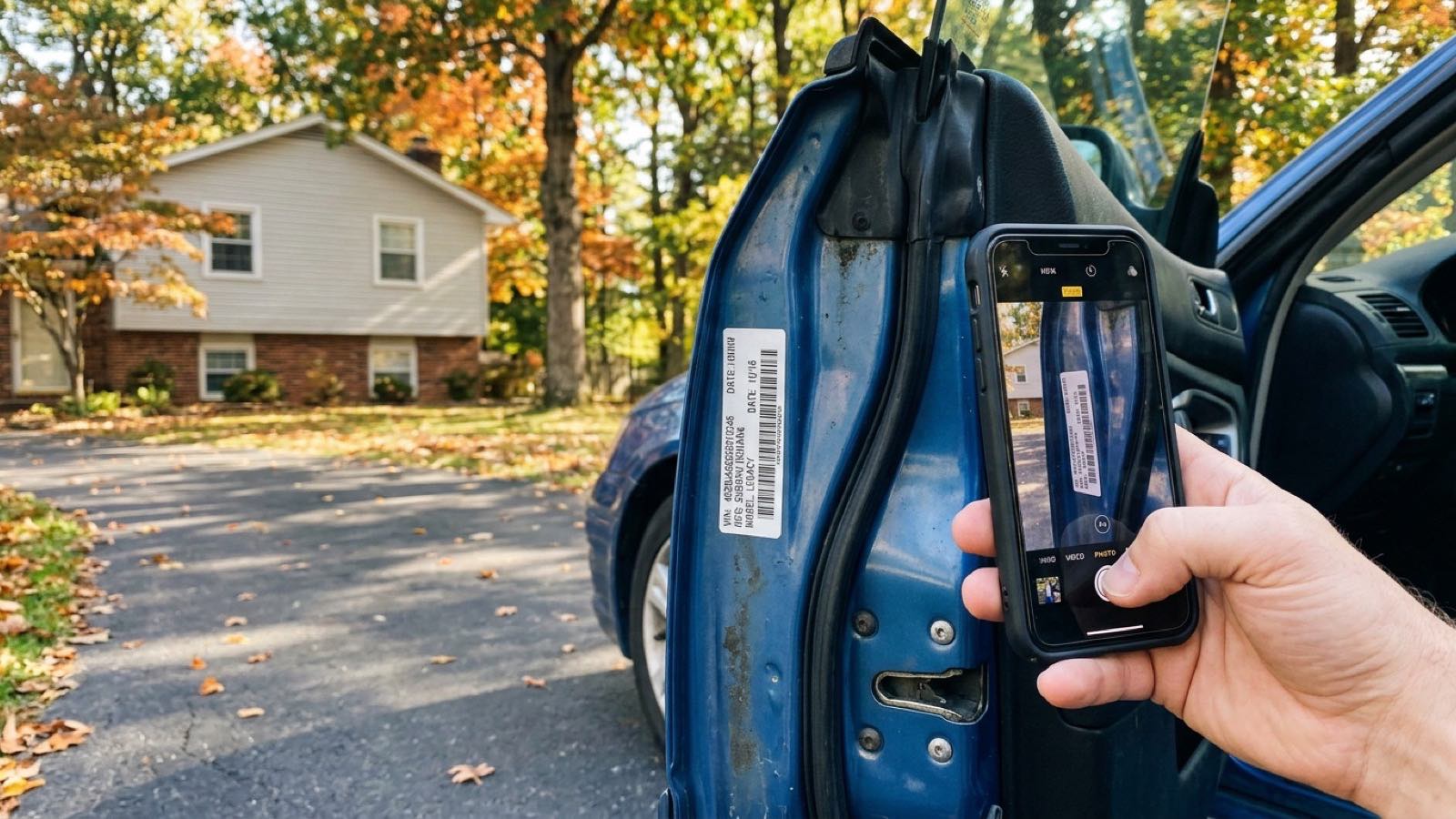
A free VIN check in the US almost always means one of two specific tools: NHTSA's vPIC decoder, which returns factory specifications, or NICB's VINCheck, which flags theft and salvage records reported by participating insurers. Neither is a full vehicle history report. The federal system that actually tracks title brands, odometer readings and total-loss history, NMVTIS, releases consumer reports only through paid, approved providers, so free and complete are not the same thing here.
A free VIN check in the US almost always means one of two specific tools: NHTSA's vPIC decoder, which returns factory specifications, or NICB's VINCheck, which flags theft and salvage records reported by participating insurers. Neither is a full vehicle history report. The federal system that actually tracks title brands, odometer readings and total-loss history, NMVTIS, releases consumer reports only through paid, approved providers, so free and complete are not the same thing here.
Applies to: the United States, VIN-based vehicle checks. Source: NHTSA (nhtsa.gov, vpic.nhtsa.dot.gov), NICB (nicb.org), US Department of Justice / NMVTIS (vehiclehistory.bja.ojp.gov). Checked: August 2026. Main exception: the free NHTSA recall lookup only shows recalls still open on that VIN. A recall that was already repaired, or one older than 15 years, will not show up even though the car was once recalled.
What NHTSA's free VIN decoder shows
Enter a VIN into NHTSA's vPIC decoder at vpic.nhtsa.dot.gov and you get back factory data pulled from the manufacturer's own federal compliance filings: make, model, model year, body style, engine displacement, cylinder count, horsepower and similar specification fields. It is free, and NHTSA does not require an account or a key to use it. What it does not contain is any history. vPIC decodes what the car was built as, not what happened to it afterward. There is no accident record in it, no title status, no odometer reading, no prior owner.
What the free NHTSA recall lookup shows, and where it stops
NHTSA's separate recall search at nhtsa.gov/recalls accepts a VIN or a license plate and returns unrepaired safety recalls tied to that specific vehicle. If nothing is open, the tool states plainly that there are zero unrepaired recalls on file for that VIN. That result is real, but it is narrower than it sounds. NHTSA's own site lists what will not show up: a recall that has already been fixed, a very recent recall where VINs are still being added to the system, anything more than 15 years old unless the manufacturer chose to extend coverage, campaigns from small or specialty manufacturers, ordinary service bulletins that are not safety recalls, and recalls tied to a vehicle sold outside the US. A clean recall search is a real result for that VIN today, not a lifetime record of every recall the car has ever had.
What NICB's VINCheck shows, and its own stated limits
NICB, the National Insurance Crime Bureau, runs a free VINCheck lookup that searches for two things: an insurance theft claim that was never recovered, and a salvage or flood designation, both reported by NICB's own participating member insurers. A search is capped at five VINs within a 24-hour period from the same IP address. NICB itself is direct about the limits: only participating insurers' records are searched, law enforcement databases are not queried at all, and NICB states outright that VINCheck "should not be relied upon when purchasing a vehicle" on its own. A car can carry a real theft or damage history that simply never reaches NICB's dataset, because the insurer involved does not participate.
Why the actual title and odometer history sits behind a paywall
Title brands, the ownership chain and reported odometer readings live in NMVTIS, the National Motor Vehicle Title Information System, overseen by the US Department of Justice. NMVTIS is not free to query as a consumer. Federal rules limit consumer access to a list of DOJ-approved providers, among them Bumper, carVertical, EpicVIN, GoodCar and VinAudit, each charging its own fee. Consumers specifically cannot get an NMVTIS report through Carfax, DMVDesk or Experian; the Department of Justice notes those three supply data to dealerships only, not to individual buyers (Carfax does supply NMVTIS data to commercial customers, and, separately, to consumers in California only). So when a listing or a seller says "free VIN check, no issues found," it is worth asking which of these tools was actually used. A clean vPIC decode and a clean NICB search say nothing about title or odometer history at all; they were never designed to.
What this means for a buyer
Treat the two free tools as a starting filter, not a clearance. NHTSA's decoder confirms the car is mechanically what the listing claims it is, and its recall search confirms there is no known open safety issue on file. Beyond that, a paid NMVTIS report or a full commercial history report is the only route to title brands and odometer history, and even those come with real coverage gaps of their own (our guide on what a vehicle history check reveals, and what it can't, covers those gaps). A Plateop VIN report for the US decodes the same NHTSA vPIC specifications and lists the known NHTSA recall campaigns for that make, model and model year, and it links to the same free NICB VINCheck search and the same NMVTIS provider list, exactly as those two sources publish them, rather than presenting a title or salvage verdict it has no data to support. Confirming that a specific open recall is still unrepaired on this exact VIN is still worth doing directly on NHTSA's own site. Where NHTSA has no clean decode for a VIN, the report says so instead of guessing. Check any car before you buy at plateop.com.